Specialised Leather Cleaning in South West Sydney
Keep Your Leather Furniture Looking Beautiful — Expert Care Without the Guesswork
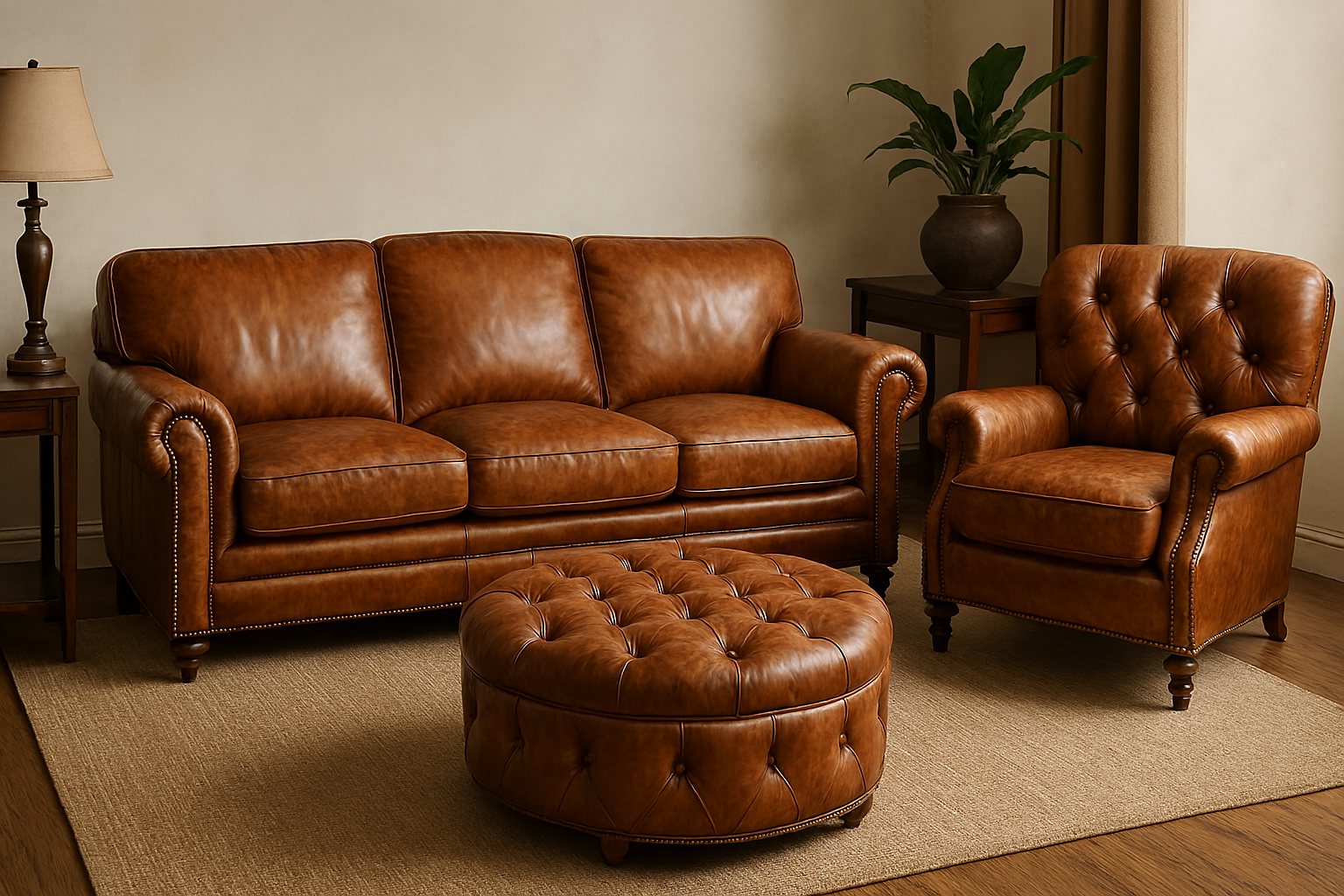
Your leather lounge was a significant investment. That rich patina, the supple feel, the way it elevates your home — leather furniture deserves proper care to maintain its quality and appearance for decades. Leather, made from animal hide, is renowned for its durability and visual appeal, making it a timeless choice for furniture.
✅ Specialized Leather Care — Safe cleaning methods that protect your investment
✅ Seal Coat Protection — Preserve the protective layer that maintains colour and texture
✅ Regular Maintenance Focus — Prevent problems before expensive restoration becomes necessary
✅ Integrated Service — Coordinate with carpet and upholstery cleaning for whole-home efficiency
✅ 100% Satisfaction Guarantee — Your leather furniture receives the utmost care
💥 Special Offer: Get $30 OFF Your First Leather Cleaning Service!
🎁 Plus, FREE Leather Conditioning Treatment with Every Clean!
Why Your Leather Furniture Needs Different Care Than Fabric
Walk into any South West Sydney furniture showroom and you'll face the classic decision: leather or fabric? You chose leather for good reasons — durability, elegance, that luxurious feel. But here's what the salesperson might not have emphasized: leather requires completely different cleaning and maintenance than fabric upholstery. Most leather is made from cowhide, but it can also come from other animals like crocodiles and pigs, which influences its texture and care requirements.
Fabric lounges can be vacuumed aggressively, treated with various cleaning products, and generally withstand robust cleaning methods. Leather? It's a natural material with a sealed protective surface that demands gentler, more specialized care. Use the wrong product on your leather couch, and you risk damaging the seal coat — the thin protective layer that gives leather its smooth finish and prevents moisture from penetrating the material underneath.
In South West Sydney’s growing family suburbs—Gregory Hills, Harrington Grove, Oran Park and Denham Court—modern homes are filled with premium mattresses designed for comfort and longevity. However, the region’s semi-rural surrounds mean more airborne dust from nearby construction and farmland, while humidity creates ideal conditions for dust mites. Add children, pets and daily use, and mattresses quickly become one of the most contaminated items in the home.
This seal coat is leather's first line of defence. It maintains colour, provides that distinctive sheen, and protects the leather hide beneath. But body oils from daily use, dust settling on the surface, atmospheric pollutants, and even dyes from clothing gradually break down this protective barrier. Once compromised, leather becomes vulnerable to staining, cracking, and permanent damage. Pigmented leather, with its polymer coating, offers better stain resistance compared to aniline leather, which requires more delicate care.
Most South West Sydney homeowners don't realize their leather needs professional attention until problems appear — that sticky feeling on armrests, visible darkening where heads rest, or dry patches forming on seat cushions. By then, you're looking at costly restoration rather than simple maintenance. Regular maintenance and moisture control are especially important in humid climates like Sydney to prevent mold and mildew from forming on leather surfaces.
Understanding Leather Types and What They Need
Not all leather is created equal. The leather on your lounge differs from the leather car seats in your vehicle, and both require different cleaning approaches.
Pigmented Leather — Most Common in Homes
Pigmented leather features a polymer coating that creates uniform colour and excellent stain protection. This durable type is found in most contemporary furniture. The sealed surface means dirt and body oils sit on top rather than penetrating immediately.
We clean pigmented leather using pH-balanced products specifically designed for sealed surfaces, removing contaminants whilst protecting the coating that keeps your furniture looking new.

Semi-Aniline and Aniline Leather — Premium Materials
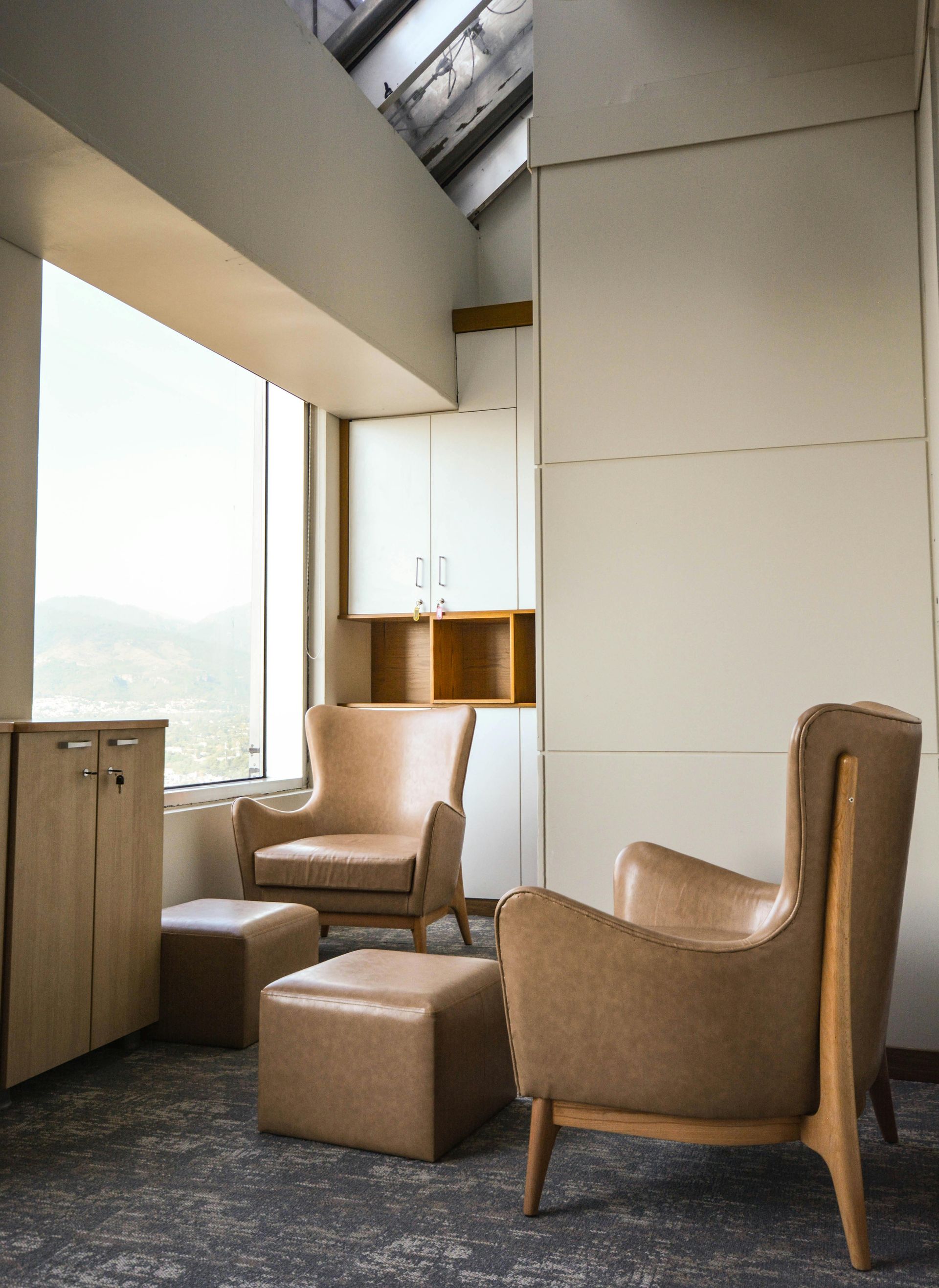
Higher-end leather goods often use semi-aniline or aniline leather, which has minimal surface coating to preserve natural hide texture. These materials develop beautiful character but require more careful maintenance. The porous surface absorbs stains more readily than pigmented leather.
Our technicians assess leather type before beginning work, adjusting methods and products accordingly. Premium leather items receive gentler treatment with products formulated for absorbent surfaces.
Synthetic Leather and Bonded Materials
Not all "leather" furniture is genuine leather. Synthetic leather, bonded leather, and faux leather materials mimic leather's appearance but require different cleaning approaches. Using leather conditioner on synthetic materials provides no benefit and may cause damage.
We identify material composition during inspection, ensuring your furniture receives appropriate treatment, whether it's genuine leather, synthetic leather, or composite materials.
The Real Enemies of Leather Furniture
We don't just clean your mattress — we restore it to a hygienic state that supports healthy sleep for your entire family. Our cleaning process combines advanced equipment with material-specific techniques, ensuring safe, effective treatment for every mattress type in your Gregory Hills, Harrington Grove, or Oran Park home.
Body Oils — The Silent Destroyer
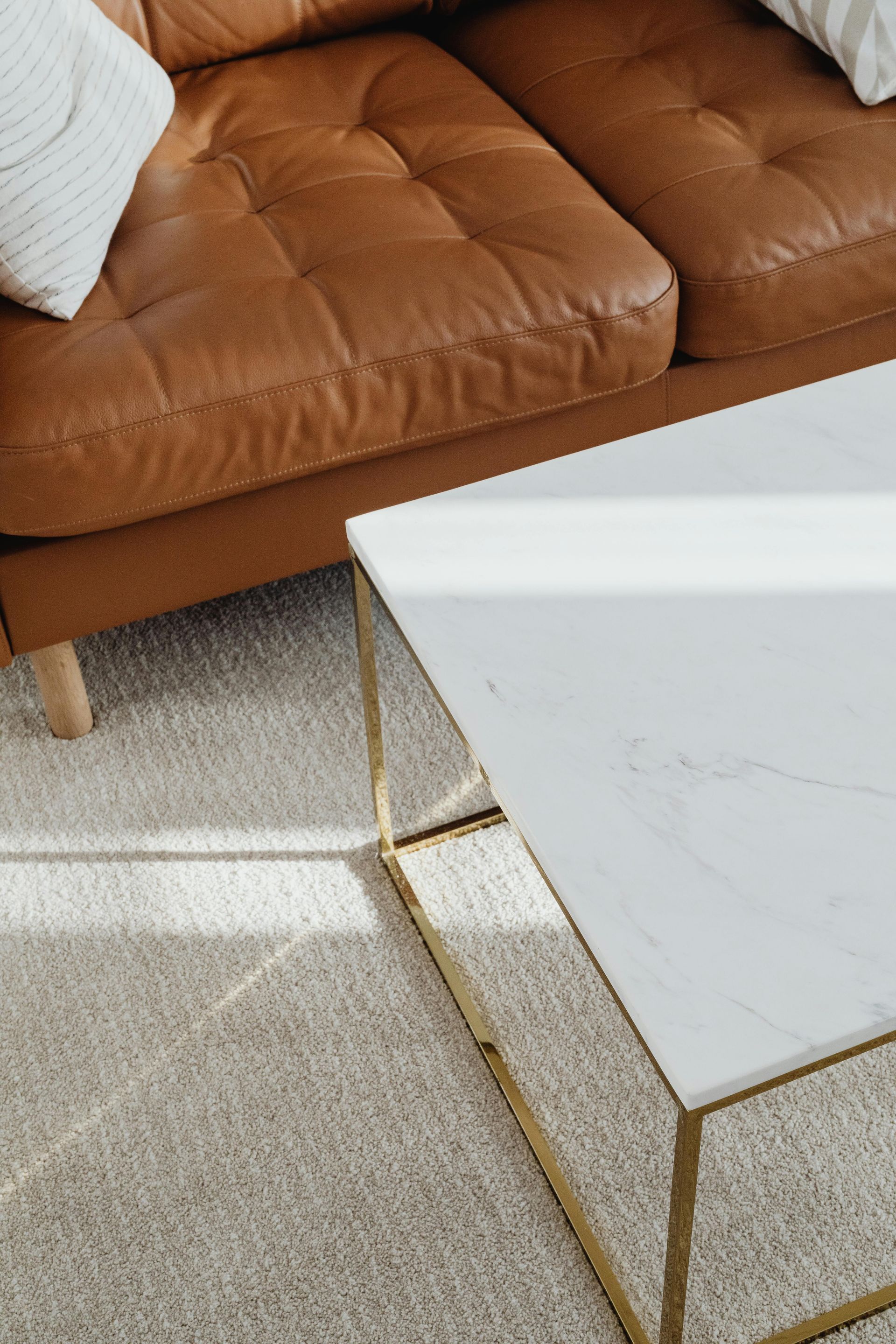
Human skin naturally produces oils that transfer to any surface we touch. On leather furniture, these body oils are the primary cause of deterioration, penetrating the seal coat and breaking down its protective properties whilst attracting dust.
This appears first on headrests, armrests, and seat edges — anywhere skin makes frequent contact. The leather darkens, feels sticky, and loses its smooth texture. Left untreated, body oils continue breaking down material, eventually causing cracking.
Our leather cleaning process specifically targets body oils, removing them before they cause permanent damage. Regular cleaning every 6–12 months keeps oils from accumulating to problematic levels.
Environmental Contaminants
South West Sydney's distinctive red dust settles on everything, working into leather pores and dulling surfaces. Construction activity throughout growing estates means more dust exposure. Atmospheric pollutants from busy roads settle on leather, blocking pores and preventing the material from breathing properly.
We remove embedded dust and contaminants that standard dusting misses. South West Sydney conditions mean leather furniture needs professional attention more frequently than leather in less dusty environments.
Our Professional Leather Cleaning Process
Inspection and Material Assessment
We begin by examining furniture carefully. Our technicians identify leather type, assess seal coat condition, note areas of heavy wear, and test cleaning products on an inconspicuous area to verify colour stability. Different leather items throughout your home may require different approaches — pigmented leather lounges can handle more aggressive cleaning than delicate aniline leather chairs.
Surface Cleaning and Contaminant Removal
We vacuum leather surfaces using soft brush attachments that remove loose dust without scratching. We then apply a specialised cleaning solution using a soft cloth or microfiber cloth, working in circular motion that lifts dirt, body oils, and surface stains without damaging the seal coat.
For tougher stains — ink marks, food spills, dye transfer — we use targeted spot treatments appropriate to stain type. Some liquid stains require immediate absorption with a dry cloth before cleaning solution application. We match treatment to specific contamination for optimal removal.
Deep Cleaning for Heavily Soiled Furniture
Leather furniture that hasn't been cleaned regularly requires more intensive treatment. We use a mild soap solution for genuine leather with heavy soiling, working carefully to clean leather thoroughly without over-wetting. This deeper clean addresses contamination that's penetrated the seal coat, extracting it before it causes permanent staining.
Conditioning and Protection
After cleaning removes contaminants, leather needs moisture replenishment. We apply leather conditioner formulated to penetrate fibres, restore moisture balance, and prevent future damage from drying. Quality conditioner also provides some protection against future staining. In humid climates, light, breathable conditioners are preferred to avoid trapping moisture in leather.
This conditioning step is crucial for maintaining leather furniture in good condition. Professional application ensures optimal results without the over-conditioning or under-conditioning problems common with DIY attempts.
💥 Call now or book online to get $30 OFF your first leather cleaning—plus FREE Leather Conditioning Treatment!
Leather Care Between Professional Cleanings
We don't just clean your mattress — we restore it to a hygienic state that supports healthy sleep for your entire family. Our cleaning process combines advanced equipment with material-specific techniques, ensuring safe, effective treatment for every mattress type in your Gregory Hills, Harrington Grove, or Oran Park home.
Weekly Dusting and Immediate Spill Response
Dust leather furniture weekly using a soft, dry cloth or microfiber cloth. This removes surface dust before it combines with body oils to form sticky residue. Avoid furniture polish or general-purpose cleaners — these leave residue that attracts more dust and may damage the seal coat.
When spills occur, act immediately. Blot liquid stains with a clean, dry cloth, absorbing as much as possible. Never rub spills — this pushes contamination deeper. For food spills, use a damp cloth with warm water to gently lift material. If staining remains after initial cleanup, contact professional cleaning services rather than attempting DIY stain removal.
What to Avoid
Many common products damage leather. Baking soda, white vinegar, and DIY solutions popular for fabric cleaning can strip leather's protective coating. Saddle soap, whilst appropriate for shoes and horse tack, is too aggressive for most furniture leather.
Avoid placing leather furniture in direct sunlight, which
fades colour and accelerates cracking. Keep leather away from heat sources. In South West Sydney's hot climate, ensure rooms with leather furniture have adequate ventilation.
When Professional Help Becomes Essential
Some leather problems require professional leather cleaning to resolve effectively.
Visible darkening from body oils on armrests, headrests, or seat cushions indicates oils have penetrated beyond surface level. This requires thorough extraction using specialized products.
Loss of sheen or rough texture indicates seal coat degradation that home maintenance can't reverse. Professional cleaning can restore appearance, though severely damaged coating may require restoration beyond our cleaning scope.
Cracking or surface damage shows leather has dried excessively. Professional assessment determines whether damage is reversible through cleaning and conditioning or requires restoration. Early intervention through regular maintenance prevents most cracking.
Stubborn stains or dye transfer — ink, dye from clothing or newspapers, and set-in food stains — rarely respond to gentle home methods. These require professional products and techniques specific to stain type. Attempting removal with inappropriate products often worsens staining.
Frequently Asked Questions About Leather Cleaning
How often should leather furniture be professionally cleaned?
For typical household use in South West Sydney, professional leather cleaning every 6–12 months maintains optimal condition. High-use furniture benefits from quarterly cleaning. Your specific environment, usage patterns, and leather type influence ideal frequency.
Can I clean leather furniture myself?
Light maintenance — weekly dusting, immediate spill cleanup, occasional conditioning — is appropriate for homeowners. However, thorough cleaning that removes embedded body oils and restores seal coat protection requires professional products and expertise. DIY attempts with inappropriate products often cause damage.
What's the difference between cleaning and restoring leather?
Cleaning removes dirt, body oils, and contaminants while maintaining existing seal coat. Restoration addresses damage — recolouring faded areas, repairing cracks, reconditioning severely dried leather. Regular cleaning prevents situations requiring restoration. For significant damage, we can recommend specialized restoration services.
How long does leather take to dry?
Professional leather cleaning uses minimal moisture, so drying occurs quickly — typically 2–4 hours for surface drying, complete within 24 hours. You can resume light furniture use within a few hours.
Keep Your Leather Investment Looking Beautiful
Professional leather cleaning protects the significant investment you've made in quality furniture. Regular maintenance prevents the body oils, environmental contaminants, and everyday wear that gradually degrade leather's appearance and material integrity.
Our service focuses on preserving leather furniture through consistent care rather than waiting for problems that require expensive restoration. We understand South West Sydney's unique environmental challenges — the dust, the climate, the lifestyle — and tailor leather care accordingly.
📞 Contact us today for professional leather cleaning in Gregory Hills, Harrington Grove, Oran Park, and throughout South West Sydney!
🌟 Book Now & Save:
✔ $30 OFF Your First Service
✔ FREE Leather Conditioning Treatment
✔ Safe, Specialized Products
✔ 100% Satisfaction Guaranteed
Let us help you keep your leather furniture, car seats, and leather goods looking beautiful for years to come. Regular professional care combined with proper home maintenance ensures your leather investment retains its quality, appearance, and that distinctive character that makes leather furniture so desirable.